Braces for Kids in Fort Lauderdale: What Age Should Kids Get Braces?
If you are wondering what age should kids get braces, whether braces for a 9 year old are too early, or whether your child really needs braces at all, you are not alone. These are some of the most searched orthodontic questions by parents today.
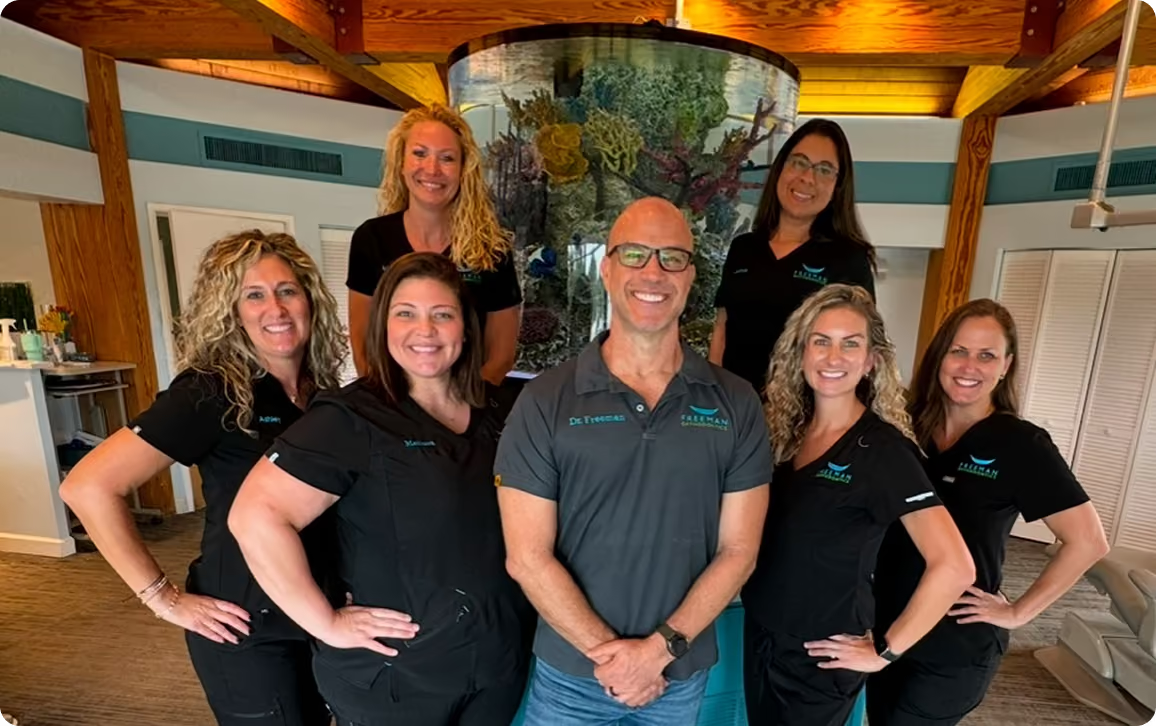
At Freeman Orthodontics in Fort Lauderdale, Dr. Chris Freeman has evaluated thousands of children over the past two decades. One consistent truth stands out. Most children do not need braces at age seven, but nearly every child benefits from an orthodontic evaluation around that age.
The goal is not to rush treatment. The goal is clarity.
Why Kids Might Need Braces
The American Association of Orthodontists recommends that children receive their first orthodontic evaluation by age seven. At this stage, the first adult molars have erupted and the upper and lower front teeth are beginning to come in. This combination allows an experienced orthodontist to evaluate jaw growth patterns, tooth eruption paths, and early bite discrepancies that are not visible at younger ages.
Some children present with crossbites, which occur when the upper teeth sit inside the lower teeth and may lead to uneven jaw growth. Others show signs of significant crowding, where there is simply not enough space for adult teeth to erupt properly. Protruding front teeth may be at higher risk for injury, while impacted teeth can remain trapped beneath the gum tissue. In certain cases, a narrow upper jaw can contribute to airway concerns.
According to the American Dental Association, untreated bite issues can affect oral health, chewing efficiency, speech development, and long term jaw function. That said, it is important to emphasize that most seven year olds do not require immediate treatment. At Freeman Orthodontics, many children are placed on a complimentary observation program where growth and development are monitored carefully over time. Early evaluation allows Dr. Freeman to step in only if necessary.

What Age Should Kids Get Braces?
The short answer is that age 7 is ideal for an initial evaluation, while full braces most commonly begin between ages 11-14. Early interceptive orthodontic treatment, often called Phase 1 orthodontics, may begin between ages 8-10 when certain developmental concerns are present.
The Mayo Clinic supports early orthodontic screening because it helps guide jaw development and may reduce the need for more complex treatment later. Timing in orthodontics is not about doing things earlier. It is about doing them at the most biologically appropriate moment.
What Is Phase 1 Orthodontic Treatment?
Phase 1 orthodontics is designed to guide jaw growth and improve the eruption pattern of adult teeth while a child is still growing. Treatment typically lasts 8-14 months, though appliances are not worn continuously for that entire period.
The objectives of Phase 1 treatment include expanding a narrow upper jaw, correcting crossbites, creating space for incoming adult teeth, improving facial balance, and reducing the likelihood of trauma or breakage to protruding front teeth. In some cases, early expansion may also support improved airway development. When handled properly, early intervention can make later treatment far less invasive.
Freeman Orthodontics Personalized Approach to Phase 1 Treatment
Dr. Freeman designs each treatment plan based on the child’s growth stage, maturity level, oral hygiene habits, and overall developmental profile. No two children are treated identically.
For upper expansion, he prefers using a Quad Helix appliance.
The Quad Helix is smaller and less bulky than older traditional expanders, making it more comfortable and easier for children to keep clean. One of its greatest advantages is that it does not require parents to perform daily turning at home. Dr. Freeman makes precise adjustments during visits, allowing for controlled and customized expansion without placing additional stress on families.
For lower arch development, Dr. Freeman often uses a FLEA appliance.

The FLEA appliance is positioned behind the lower front teeth and is easier for parents to activate because of its accessible placement. It allows for controlled lower expansion when indicated, helping balance the arches during growth.
Does Phase 1 Treatment Hurt?
Parents often ask whether expanders or braces will hurt their child. The most honest answer is that there is usually temporary soreness, but not severe pain. The first three to four days tend to be the most noticeable because the teeth and jaw have not previously experienced that pressure. After about a week, the cheeks and tongue adapt, similar to how skin builds. Children often describe the sensation as pressure rather than pain, and most adapt quickly.
Types of Braces for Children
When full treatment is needed, traditional metal braces remain one of the most durable and efficient options, particularly for active children. Clear or ceramic braces provide a more aesthetic alternative while still delivering effective results. In some cases, early appliances such as expanders or space maintainers may be all that is required before the teenage years. For many children, monitoring alone is appropriate until the majority of permanent teeth have erupted.
How the Braces Process Works
Every child begins with a complimentary consultation that includes facial photos, intraoral photos, and a panoramic X ray that allows Dr. Freeman to evaluate structures below the surface. This comprehensive evaluation forms the foundation of a customized treatment plan.

If treatment is recommended, Dr. Freeman creates a growth based plan tailored to the child’s individual needs. During active treatment, appointments are scheduled regularly to guide progress and ensure optimal development. After active treatment is complete, retainers are provided to maintain the new alignment and protect the long term result.
How Much Do Braces Cost for Kids in Fort Lauderdale?
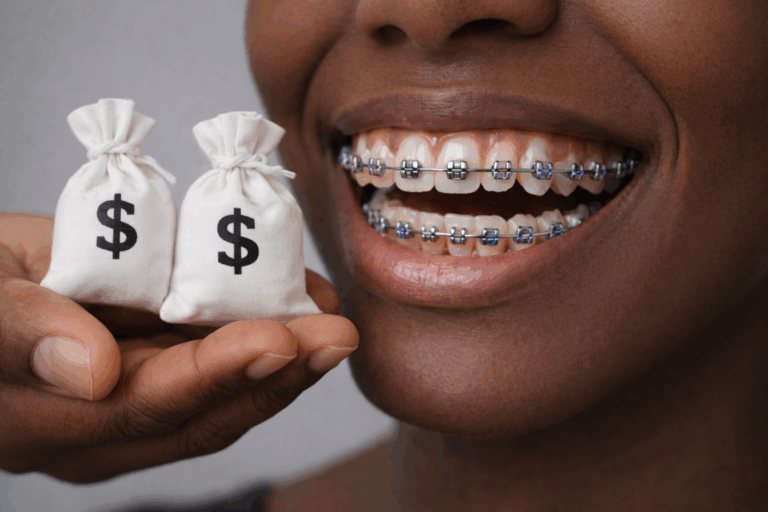
Cost is one of the most searched questions related to braces for kids. Based on regional averages, Phase 1 orthodontic treatment in Fort Lauderdale typically ranges from $3,250 to $5,250. This range usually includes diagnostic records, progress records, appliances, braces, adjustments, final records and retainers.
The total investment depends on the complexity of the case and the type of appliances required. Freeman Orthodontics offers in-house financing, works with CareCredit, and accepts most major PPO dental insurance plans. Even families without orthodontic coverage are guided carefully through maximizing available benefits and structuring a payment plan that fits comfortably within their budget.
Helping Your Child Through Braces
Good oral hygiene becomes even more important once braces are in place. Children should brush at least three times daily using fluoride toothpaste, and many families find that a water flosser is especially helpful. The American Dental Association recommends daily flossing to reduce the risk of cavities and gum inflammation during orthodontic treatment.
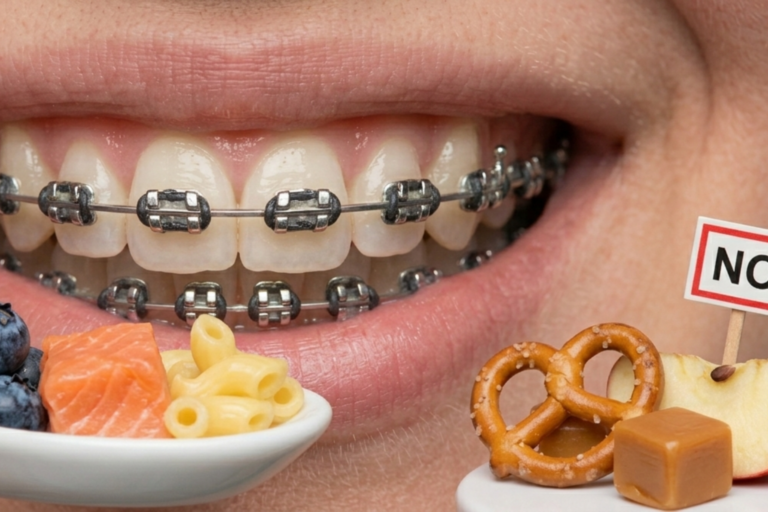
Dietary adjustments are also important. Sticky candies, hard ice, and foods that can break brackets should be avoided. Softer foods such as yogurt, pasta, soft fruits and smaller cut bites of proteins like chicken, steak and fish are safer choices. Many children are pleasantly surprised to learn that ice cream is still allowed.
I Feel Sad That My Kid Is Getting Braces
Many mothers quietly express this feeling during consultations. It is completely natural.
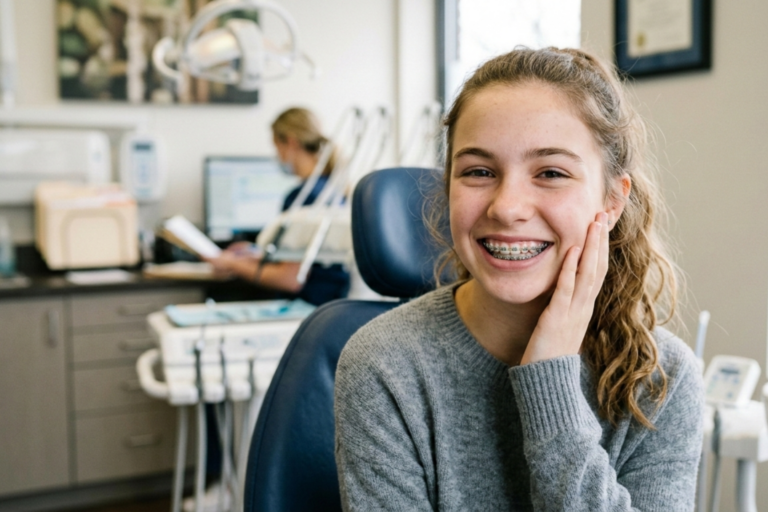
Early orthodontic treatment is often less invasive than waiting. When growth is guided at the right time, surgical intervention and tooth extractions may be reduced. Beyond function, early alignment can significantly improve self confidence during formative years.
At Freeman Orthodontics, clinical excellence is paired with five star hospitality. Our team is intentionally compassionate, and every appliance choice is made with comfort, hygiene, and long term results in mind. Children are treated with patience and encouragement so that the experience feels supportive rather than intimidating.
Does My Child Really Need Braces?
Sometimes the answer is yes. Sometimes the answer is not yet. That is precisely why early evaluation matters. Many children are monitored for several years before active treatment begins. When intervention is necessary, it is timed carefully to maximize growth and minimize complexity. In some cases, early orthodontics can improve facial appearance and facial symmetry by correcting jaw alignment, leading to a more balanced and harmonious facial features as the child grows.
Families looking for reassurance can also verify board certification through the American Board of Orthodontics, which represents the highest level of orthodontic credentialing in the United States.
Freeman Orthodontics proudly serves families throughout Fort Lauderdale, including downtown Fort Lauderdale, Oakland Park, Wilton Manors, Pompano Beach and Lighthouse Point. Parents who are unsure about timing are encouraged to schedule a complimentary consultation so that an informed, confident decision can be made together.
Frequently Asked Questions About Braces for Kids
What age should kids get braces?
Most children should have their first orthodontic evaluation at age seven, while full braces most commonly begin between ages eleven and fourteen.
Are braces for a 9 year old too early?
Not necessarily. Some children benefit from Phase 1 treatment between ages eight and ten if growth modification is needed.
How long do kids wear braces?
Early Phase 1 treatment typically lasts eight to fourteen months, while full braces during adolescence usually range from twelve to twenty four months.
How much do braces cost for kids in Fort Lauderdale?
Phase 1 treatment generally ranges from $3,250 to $5,250 depending on complexity and appliances used.
Do expanders hurt?
Children may experience temporary pressure for several days, but most adapt quickly within the first week.
Is two phase orthodontic treatment always necessary?
No. Many children only require one comprehensive phase during adolescence. Early treatment is recommended only when growth modification provides a clear advantage.
Conclusion
Braces for kids are not simply about straightening teeth. They are about guiding growth, supporting oral health, protecting long term function, and building confidence during childhood.
At Freeman Orthodontics in Fort Lauderdale, early evaluation allows treatment to be conservative, personalized, and thoughtfully timed. Whether your child needs monitoring or active treatment, our goal is to provide clarity, comfort, and exceptional care at every step.
If your child is around age seven or you are unsure whether braces are needed, scheduling a complimentary consultation is the first step toward peace of mind.
Book a Consult