
How to Get Braces in Fort Lauderdale: Step-by-Step Guide
If you are searching for how to get braces in Fort Lauderdale, you likely want clear r, direct answers. Whether you are a parent researching treatment for your child or an adult exploring orthodontic options for yourself, the process follows a defined clinical pathway. This guide explains exactly how to get braces, what you need to qualify, how long treatment takes, how insurance works, and what to expect at every stage.
Dr. Chris Freeman, a licensed, Board Certified orthodontist in Florida, wrote and reviewed this article. It reflects current orthodontic standards of care and provides accurate, evidence-based information that directly answers the most common questions patients ask online.
What Does It Mean to Get Braces?
When you get braces, an orthodontist places appliances that gently move your teeth and jaws into healthier alignment over time. Braces correct crowding, spacing, overbites, underbites, crossbites, and other bite issues. While many people think orthodontics is cosmetic, it is also functional and preventive.
Proper alignment improves oral hygiene because straight teeth are easier to clean. In addition, balanced bites reduce uneven tooth wear and support healthy jaw function. Over time, this stability helps protect long-term periodontal health.
Children should receive their first orthodontic evaluation around age seven. However, according to the American Association of Orthodontists, orthodontic treatment can be successful at virtually any age if teeth and supporting bone are healthy.
Step 1: Schedule a Comprehensive Orthodontic Consultation
If you are wondering how do you get braces, everything begins with a comprehensive orthodontic consultation.
During your visit in Fort Lauderdale,your orthodontist performs a clinical exam, takes digital radiographs, captures photographs, and may complete three dimensional imaging. The evaluation focuses on tooth position, jaw relationships, facial balance, airway considerations when appropriate, and overall dental health.
This appointment establishes a diagnosis. It determines whether you need braces now, whether monitoring makes more sense, and which type of appliance fits your specific case.
At Freeman Orthodontics, we use digital scanning technology to eliminate traditional impressions and provide precise treatment planning.
During this visit, you will also discuss treatment goals, estimated treatment time, financial planning, and long-term retention strategy.
What Do You Need to Get Braces?
Many patients ask what do you need to get braces. The answer is simple.
First, your teeth and gums must be healthy. Second, you cannot have untreated active decay. Third, a licensed orthodontist must complete a comprehensive diagnosis.
If you need fillings or periodontal treatment first, your orthodontist coordinates care with your general dentist. After dental health is stable, orthodontic treatment can begin safely.
You also need a customized treatment plan. Orthodontics is highly individualized. Your orthodontist designs your plan based on skeletal structure, tooth position, growth potential in younger patients, and long-term stability.
Step 2: Choose the Right Type of Braces
Once your orthodontist confirms that you are a candidate, you will choose the most appropriate appliance. Modern orthodontics offers several clinically effective options.
Traditional Metal Braces
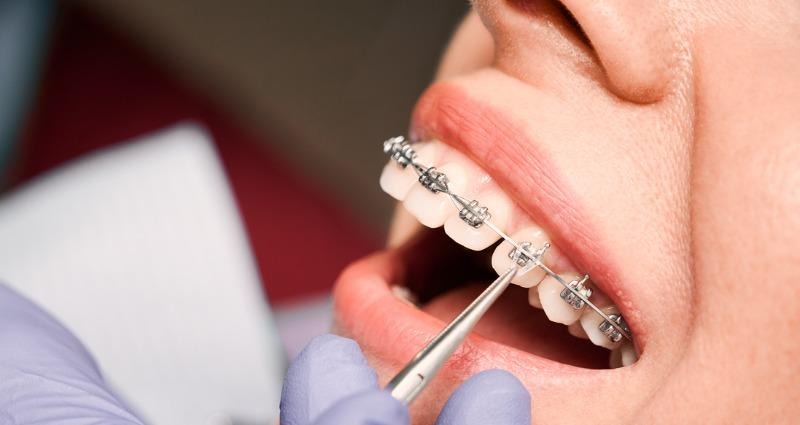
Traditional metal braces remain one of the most efficient systems available. They work especially well for complex bite corrections and significant crowding. Today’s brackets are smaller, smoother, and more comfortable than earlier designs. In addition, modern wire technology allows for more controlled tooth movement.
Ceramic or Clear Braces
Ceramic braces function like metal braces but use tooth-colored brackets that blend with natural enamel. For this reason, many adults and older teens prefer them. In most cases, ceramic braces provide clinical outcomes comparable to metal braces.
Clear Aligners
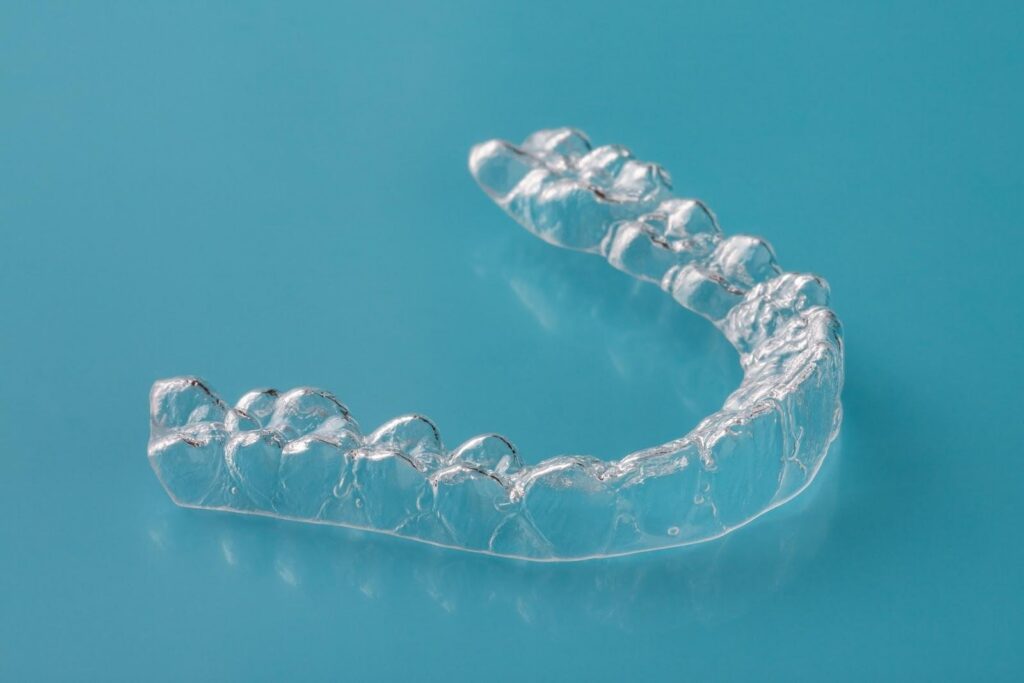
Clear aligners move teeth using a series of custom-made removable trays. They are nearly invisible and can be removed for eating and brushing. However, success depends on consistent wear. Patients must wear trays approximately twenty to twenty two hours per day.
Clear aligners treat many mild to moderate cases and some complex cases when carefully managed. Your orthodontist will recommend the safest and most predictable option for your specific bite.
Step 3: Financial Planning and Insurance
Many families ask how can I get braces with insurance. Orthodontic benefits are often included in PPO dental plans. Most plans cover a portion of treatment up to a lifetime maximum, which typically ranges between $1,000 and $2,500 depending on the policy.
Most orthodontic offices in Fort Lauderdale offer in-house payment plans that spread costs over time. In addition, Flexible Spending Accounts and Health Savings Accounts (HSA) may help offset expenses.
Before you begin treatment, your office should provide a written financial breakdown. That breakdown should clearly outline total investment, estimated insurance contribution, and monthly payment structure.
Transparency matters.
Step 4: The Braces Placement Appointment
After diagnostics and financial planning are complete, you schedule your braces placement appointment. In many cases, treatment can begin the same day as your initial consultation.
This visit usually lasts sixty to ninety minutes.
For traditional braces, your orthodontist cleans and prepares each tooth before bonding brackets with dental adhesive. Then, the doctor places an archwire and secures it with elastic ligatures.
For clear aligners, your orthodontist may bond small attachments to certain teeth. These attachments improve precision. You will then receive your first set of trays along with detailed wear instructions.
Most patients feel mild pressure or soreness for a few days. This sensation means the biological process of tooth movement has started.
Step 5: Ongoing Adjustments and Monitoring
Orthodontic treatment requires regular monitoring. Most patients return every six to eight weeks. During these visits, your orthodontist adjusts wires, changes elastics, and evaluates progress. Clear aligner patients receive new trays as long as teeth track properly.
These appointments keep treatment moving forward safely and efficiently. If you miss visits, treatment time can increase.
Step 6: Oral Hygiene During Treatment
Strong oral hygiene protects your results.
Patients with fixed braces must brush carefully around brackets and wires and floss daily using appropriate tools. Meanwhile, clear aligner patients must remove trays before eating and clean both their teeth and aligners consistently.
If hygiene declines, problems such as decalcification, cavities, or gum inflammation may develop. Therefore, daily care remains essential throughout treatment.
Step 7: Braces Removal and Retention
Once your teeth reach their planned positions and your bite stabilizes, your orthodontist removes your braces. After polishing your teeth, the office takes final digital scans to fabricate retainers.
Retainers preserve your results. Teeth naturally shift over time due to aging and functional forces. For that reason, long-term retainer wear protects your investment.
Retention is not optional. It is part of treatment.
How Long Does It Take to Get Braces?
Treatment time depends on complexity.
Mild alignment cases may require approximately twelve months. Moderate cases often take eighteen to twenty four months. Complex skeletal discrepancies may extend beyond twenty four months.
Only a comprehensive orthodontic evaluation can provide an accurate timeline.
Why Choosing the Right Orthodontist in Fort Lauderdale Matters
When patients search braces Fort Lauderdale or orthodontist Fort Lauderdale, they find many options. However, experience, diagnostic precision, and long-term stability planning separate high-quality orthodontic care from routine treatment.
At Freeman Orthodontics in Fort Lauderdale, treatment planning prioritizes facial balance, airway awareness when appropriate, bite function, and long-term retention stability. Orthodontics combines medical science and aesthetic design. Therefore, proper diagnosis directly influences lifelong oral health.
Frequently Asked Questions
How do you get braces?
You schedule a consultation, receive a diagnosis, select a treatment plan, complete appliance placement, attend regular monitoring visits, and wear retainers after active treatment.
What do you need to get braces?
You need healthy teeth and gums, a comprehensive orthodontic evaluation, and a customized treatment plan created by a licensed orthodontist.
How can I get braces in Fort Lauderdale?
The first step is scheduling a comprehensive consultation with a qualified orthodontist in Fort Lauderdale who provides digital diagnostics and individualized treatment planning.
Does getting braces hurt?
Patients typically experience pressure or mild soreness after placement or adjustments. Discomfort is temporary and manageable.
Can adults get braces?
Yes. Adult orthodontics is common and highly successful when periodontal health is stable.
Final Thoughts
If you are searching how to get braces in Fort Lauderdale, the process is structured, predictable, and grounded in clinical standards. It begins with a comprehensive evaluation and continues through active treatment and long-term retention.
Most importantly, choose a qualified orthodontist who prioritizes diagnosis, stability, and individualized care.
If you are ready to take the first step, schedule a consultation at Freeman Orthodontics in Fort Lauderdale. A clear plan always begins with a clear diagnosis.
Expert Tip: Sensitive to dental work? Schedule your fitting for the afternoon. This allows any initial discomfort to peak while you're awake. So, your sleep won’t be disrupted that first night.
